
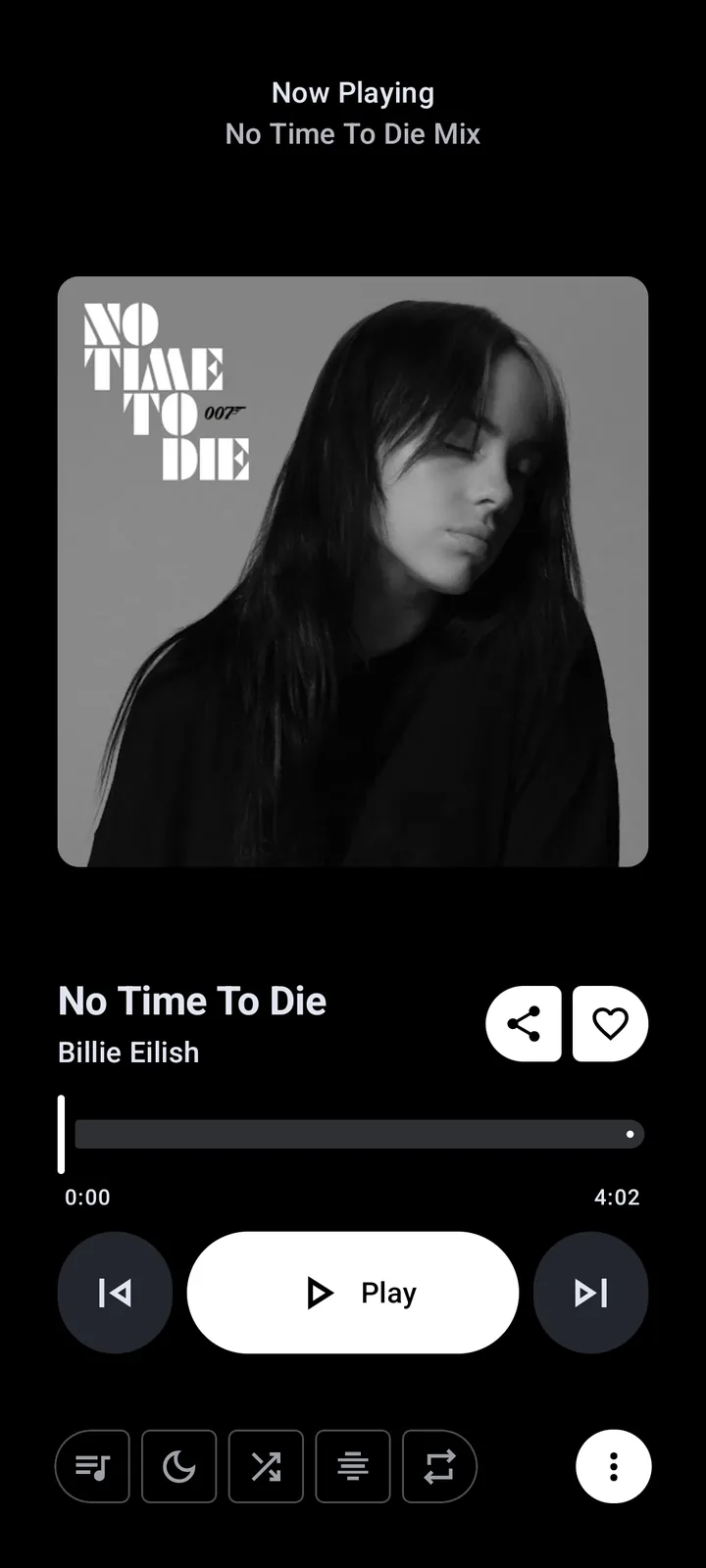
The central difference: client versus official service
YouTube Music is operated by Google and includes the official mobile apps, browser player, subscriptions, account infrastructure and support policies. Metrolist is an open-source Android application maintained separately. It communicates with YouTube Music-related services but is not authorized, funded or supported by Google.
That distinction explains most trade-offs. Metrolist can offer a different interface and features without a standard subscription screen, but upstream changes can interrupt playback or login until maintainers adapt. YouTube Music has direct control over its APIs and account flows, but many features and ad-free behavior depend on region and subscription.
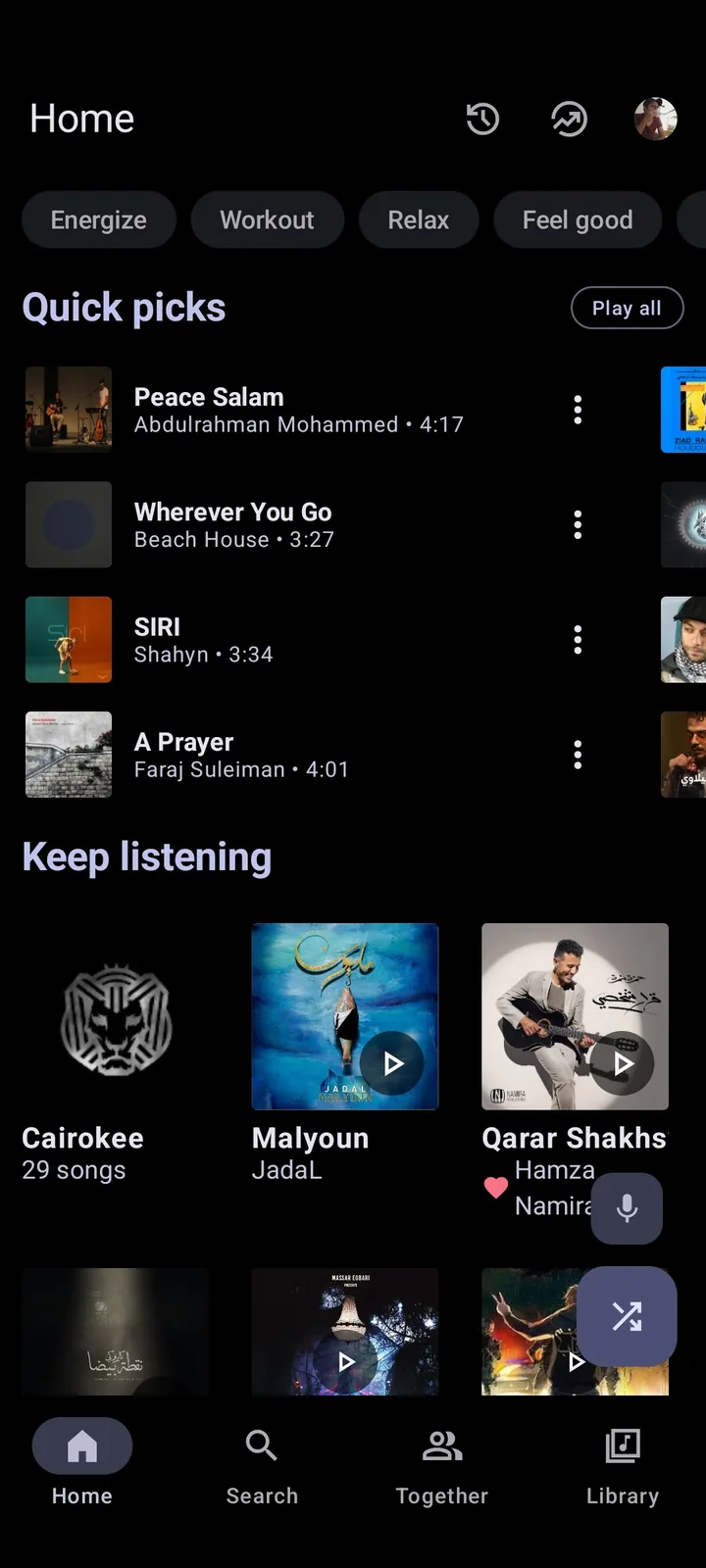
Metrolist vs YouTube Music feature comparison
Features change over time and may differ by country, account and build. The table describes the current product model rather than promising every track or function will behave identically.
| Area | Metrolist | YouTube Music |
|---|---|---|
| Developer | Independent open-source project | |
| Platforms | Android 8.0+ | Android, iOS and web; wider device ecosystem |
| Source code | GPL-3.0 repository | Closed-source official apps |
| App price | Free | Free tier plus paid Premium plans |
| Advertising | Project describes app as ad-free | Free tier can include ads |
| Background playback | Supported by Metrolist | Plan and platform behavior can vary |
| Offline use | Download/cache support | Official offline downloads generally tied to Premium mobile features |
| Account library | Optional YouTube Music login and sync | Native first-party account integration |
| Themes | Light, dark, black, dynamic and preset palettes | Official theme options |
| Desktop | No official native or web Metrolist client | Official browser player |
| Updates | GitHub, in-app updater or IzzyOnDroid | App stores and official web deployment |
| Support risk | Can break after upstream changes | First-party compatibility and support |
Ads, background playback and offline listening
Metrolist's appeal is straightforward: it describes itself as ad-free and includes background playback plus download and cache features. Users should still follow copyright, platform rules and local law. An open-source client does not transfer ownership of streamed music or guarantee permanent offline access.
YouTube Music's official free and paid experiences vary. Premium is the first-party route for ad-free playback, background use and official mobile downloads in supported markets. The official app is more predictable when Google changes authentication or media delivery, while Metrolist may need a maintenance update.
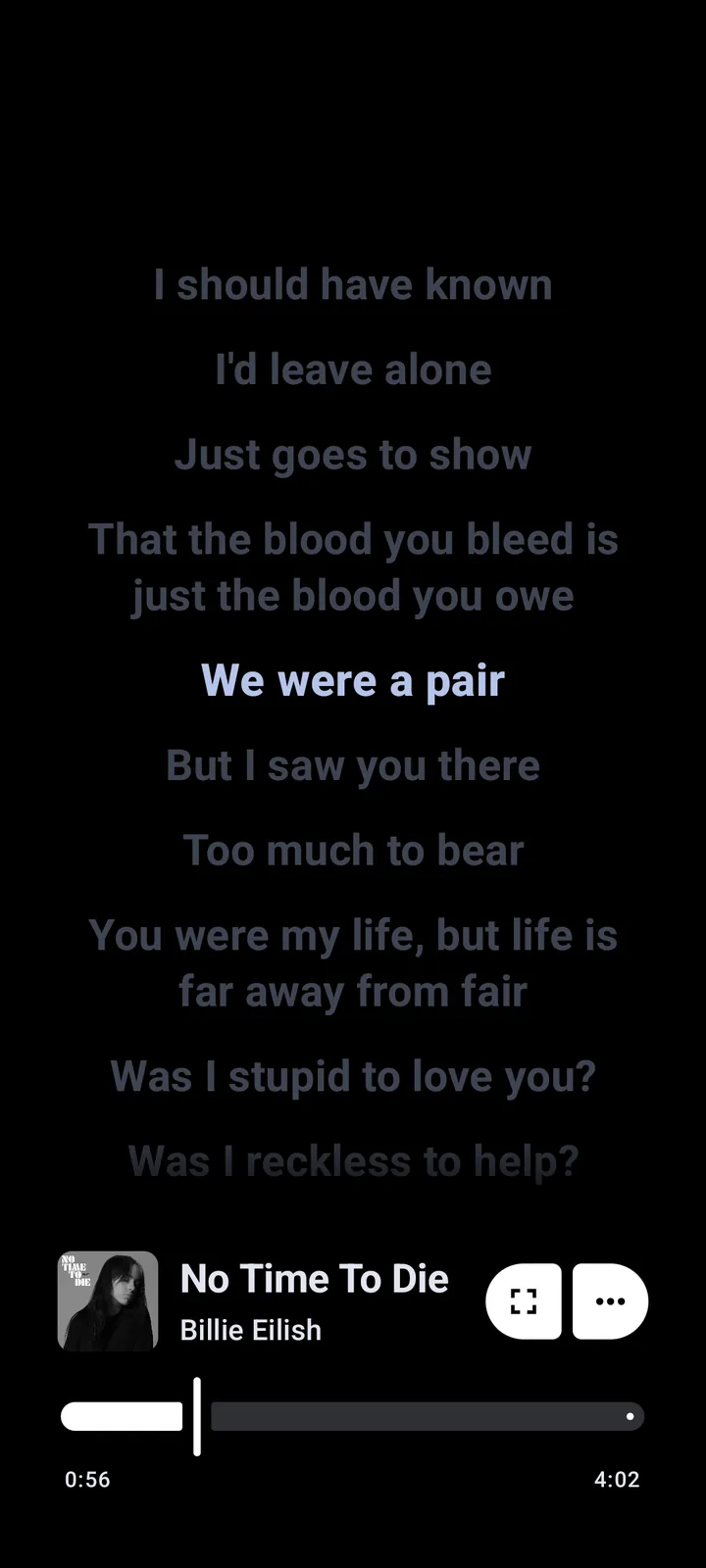
Library sync, playlists and discovery
Metrolist can sign in to YouTube Music and synchronize songs, artists, albums and playlists. That can make it feel familiar to existing YouTube Music users. It also supports local playlists, playlist import and queue reordering. Because the app is not first-party, users should expect occasional login or synchronization changes.
The official YouTube Music app owns the account relationship and is the reference place to verify whether a playlist or library change reached the service. When transferring from Spotify, confirm the playlist in YouTube Music before expecting it in Metrolist. Our Spotify playlist transfer guide explains the bridge workflow.
Privacy, security and account risk
Metrolist's code transparency is useful, but using account sync places a YouTube Music session inside a third-party Android client. Download only a verified build, protect tokens and review account sessions. Google's official app has a first-party trust relationship but also participates in Google's broader data and advertising ecosystem.
Neither choice is “private” in the sense of playing an entirely local library with no online requests. Both connect to online music services. Users seeking a fully local player should compare local-library applications instead of treating Metrolist as an offline-only product. Read our safety review for practical source checks.
Reliability, regions and device support
YouTube Music has official Android, iOS and browser access. Metrolist officially targets Android only. There is no native Metrolist for Windows, macOS or iPhone, and the project site is not a web player. Desktop users can use an Android emulator, but that adds overhead and is not equivalent to a native release.
Metrolist also inherits regional availability constraints. Its README warns that the app will not work without a VPN or proxy where YouTube Music itself is unavailable. The official service provides clearer market availability, billing and support paths. If Metrolist stops playing, use the ordered troubleshooting guide.
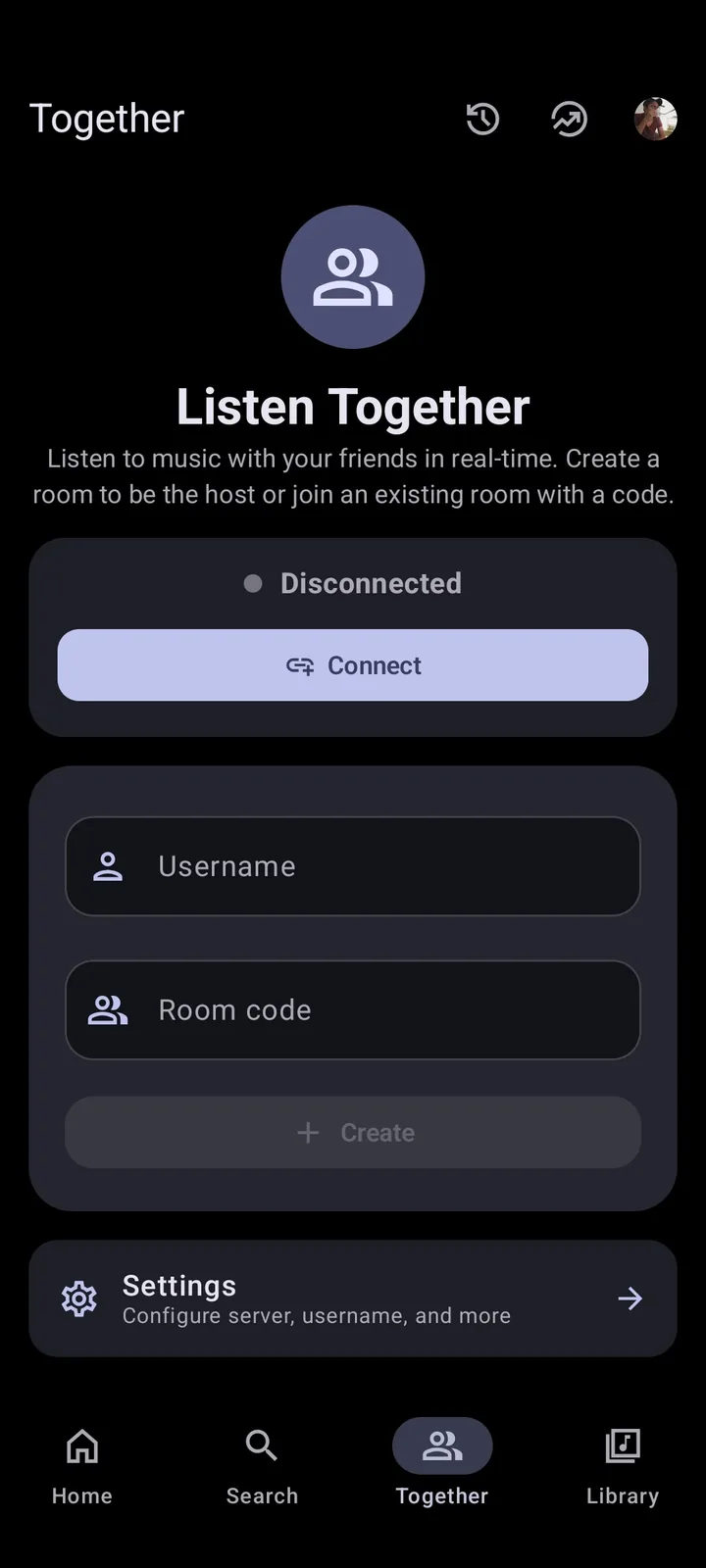
Who should choose each app?
Metrolist suits technically comfortable Android users who prefer open-source software, accept sideloading and can troubleshoot an upstream break. It is also attractive to users who want extensive theming, audio controls, synchronized lyrics and an ad-free interface.
YouTube Music suits users who need iPhone and web access, official support, store-managed updates, family plans or stable integration across Google's device ecosystem. Paying for Premium is the supported way to receive its subscription benefits. The decision is less about which app has the longest feature list and more about whether you prefer first-party reliability or open-source control.
- Choose Metrolist for open source, Android customization and independent interface features.
- Choose YouTube Music for official support, web/iOS access and predictable account integration.
- Use verified sources for either app; avoid YouTube Music Mod APK and Metrolist Mod APK files.
- Keep playlist backups when moving between clients.
Run a Metrolist vs YouTube Music test
A one-week Metrolist vs YouTube Music test is more useful than comparing feature lists alone. Use the same account and a small playlist, then check startup speed, search accuracy, queue editing, Bluetooth controls, background playback, battery use and recovery after changing networks. Repeat one test without signing in. The result shows whether Metrolist's interface benefits outweigh the official app's support and platform reach on your actual phone.
Cost comparisons also need context. Metrolist vs YouTube Music is not simply free versus paid: the official service has a free tier and subscription benefits, while Metrolist has no app fee but requires sideloading, manual source verification and tolerance for upstream breaks. Time spent troubleshooting is a real cost. Desktop and iPhone access can also outweigh an Android-only feature advantage for people who listen across several devices.
For a fair Metrolist vs YouTube Music offline test, save a small album in each app using the method each product documents, restart the phone and disconnect the network. Check whether artwork, queue order and playback survive. Do not assume that either app creates portable audio files; offline storage belongs to the app's own service and data model.
Metrolist vs YouTube Music FAQ
Is Metrolist the same as YouTube Music?
No. Metrolist is an independent Android client; YouTube Music is Google's official service and app.
Does Metrolist require YouTube Music Premium?
The project distributes Metrolist as a free client and does not present Premium as a requirement, but service availability and account behavior can change.
Which app is safer?
YouTube Music is first-party. Metrolist offers public source transparency but requires careful APK and account-token handling.
Which works on PC?
YouTube Music has an official web player. Metrolist has no official desktop or web client.
Can both use the same playlists?
Metrolist can sync a signed-in YouTube Music library, although third-party client synchronization may occasionally break.
Does Metrolist have ads?
The project describes Metrolist as ad-free; the official YouTube Music free tier may contain ads.